

Introduction to Responsible Gaming
What is Responsible Gaming?
Responsible gaming means playing gambling games in a way that stays safe, enjoyable, and under control. It’s about enjoying the thrill and challenge without letting gambling take over your life or cause harm. Responsible gaming involves a set of practices and tools designed to keep your gaming experience positive and prevent problematic behavior.
Why Does Responsible Gaming Matter?
Responsible gaming is crucial not just for players but also for operators and regulators. For players, it means having the right support to avoid addiction, manage spending, and keep gaming entertaining without negative impacts on life or relationships. For operators, it helps maintain a trustworthy platform and long-term customer loyalty by promoting safe play. Regulators rely on responsible gaming practices to create a fair, transparent, and safe gambling environment that protects vulnerable people and upholds industry standards.
The Flip Side: Problem Gambling
Responsible gaming stands in direct contrast to problem gambling—a situation where gambling stops being enjoyable and starts causing serious issues. Such behaviors might include obsessive thoughts about gambling, chasing losses, financial strain, lying about gambling habits, or neglecting personal responsibilities. The consequences can be severe, affecting mental health, relationships, and finances.
Core Principles of Responsible Gaming
Protection of Vulnerable Individuals
Let’s be clear: some people are more at risk of developing gambling problems, including those with pre-existing mental health issues or addictive tendencies. Protecting these individuals means recognizing warning signs early and providing support where needed. Responsible gaming frameworks encourage operators to set up systems that detect risky behavior, offer self-exclusion options, and connect players with professional help if necessary. After all, the goal is to ensure gaming remains fun, not a source of harm.
Prevention of Underage Gambling
Nobody wants minors in the mix—that’s a firm rule worldwide. Preventing underage gambling is about more than just ticking legal boxes. It involves robust age verification processes, often using official government IDs before allowing access. Operators also use technology to block underage players and educate families about the risks. It’s about creating a safe boundary so that young people aren’t exposed prematurely to gambling, which reduces the likelihood of lifelong problems. Parents, guardians, and providers all play crucial roles here.
Ensuring Fairness and Transparency in Gaming
Have you ever questioned the fairness of the game? Fairness and transparency are non-negotiables. Games must use certified Random Number Generators (RNGs) to keep outcomes genuinely unpredictable and fair. Clear information on odds, payouts, and rules must be easily accessible. Transparency fosters trust by instilling confidence in players, ensuring they are not deceived and that the operator operates ethically. When you know the rules upfront and the chance you have, you make smarter choices.
Empowering Players Through Education and Tools
Knowledge is power. Empowering players means giving you the tools and info needed to gamble responsibly. Think of betting limits, time reminders, self-assessment tests, and a simple self-exclusion option – you name it. Educational resources explain how odds work, the risks involved, and how to spot problem behaviors. When players understand the game and themselves, it’s easier to stay in control and enjoy gaming as a form of entertainment rather than a risk.
Why These Principles Matter to You
These principles foster a healthier gaming environment that manages risks and maximizes fun, regardless of your experience level. They protect those who need support, keep gaming fair, and give you the control and knowledge to make the best choices. So next time you log on or place a bet, remember these pillars—they’re here to make sure the game stays just that: a game.
Key Tools and Practices for Responsible Gaming
When diving into the thrilling world of The Drop The Boss Game, it’s crucial to keep your gameplay fun and safe. Responsible gaming isn’t just a buzzword—it’s the smart way to enjoy all that excitement without risking more than you can afford. Let’s walk through some key tools and practices that can help you play responsibly while maximizing your experience.
Know Your Customer (KYC) and Age Verification
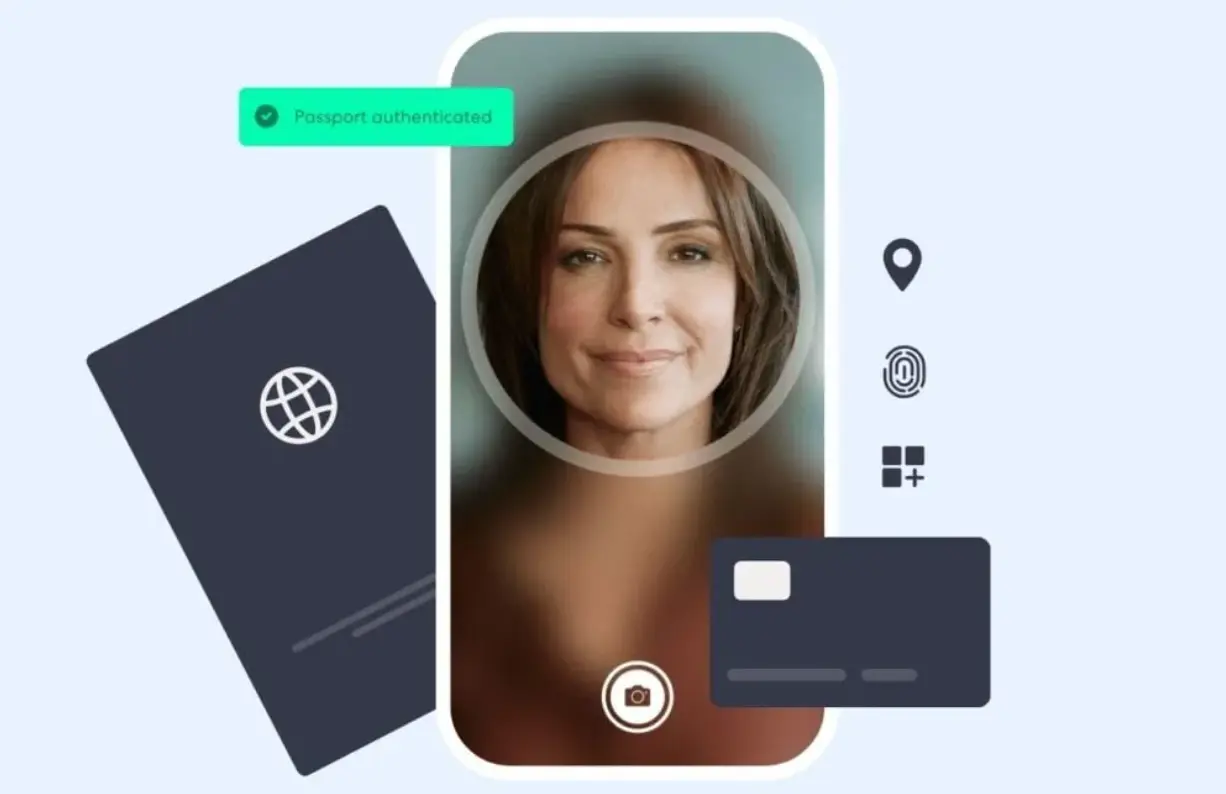
Before you start tossing bets or chasing multipliers in a game, the casino needs to know who you are. This means passing through KYC and age verification checks. These procedures confirm your identity and ensure you’re legally allowed to gamble. It’s a security step designed to keep underage players out and protect everyone involved. You may be required to upload valid ID documents and possibly proof of address. It sounds formal, but it keeps the game safe, fair, and legal.
Self-Exclusion Programs (Temporary and Permanent)

Feeling like you want a break? That’s where self-exclusion comes in. If you believe your gaming is out of control or you simply need a break, many platforms provide straightforward options to temporarily or permanently remove yourself from the game. You can lock yourself out for days, weeks, or even indefinitely. It’s a powerful way to regain control when the fun starts to feel more like pressure.
Deposit, Loss, and Time Limits for Players
Setting limits is one of the smartest moves you can make. Most platforms let you:
- Set deposit limits so you don’t top up your account beyond a comfortable amount.
- Choose loss limits to stop you once you’ve hit a certain amount of losses, helping prevent a downward spiral.
- Apply session time limits as reminders to take breaks and avoid marathon gaming sessions.
These tools let you control spending and time, keeping your gaming experience enjoyable without stress.
Reality Checks and Session Reminders
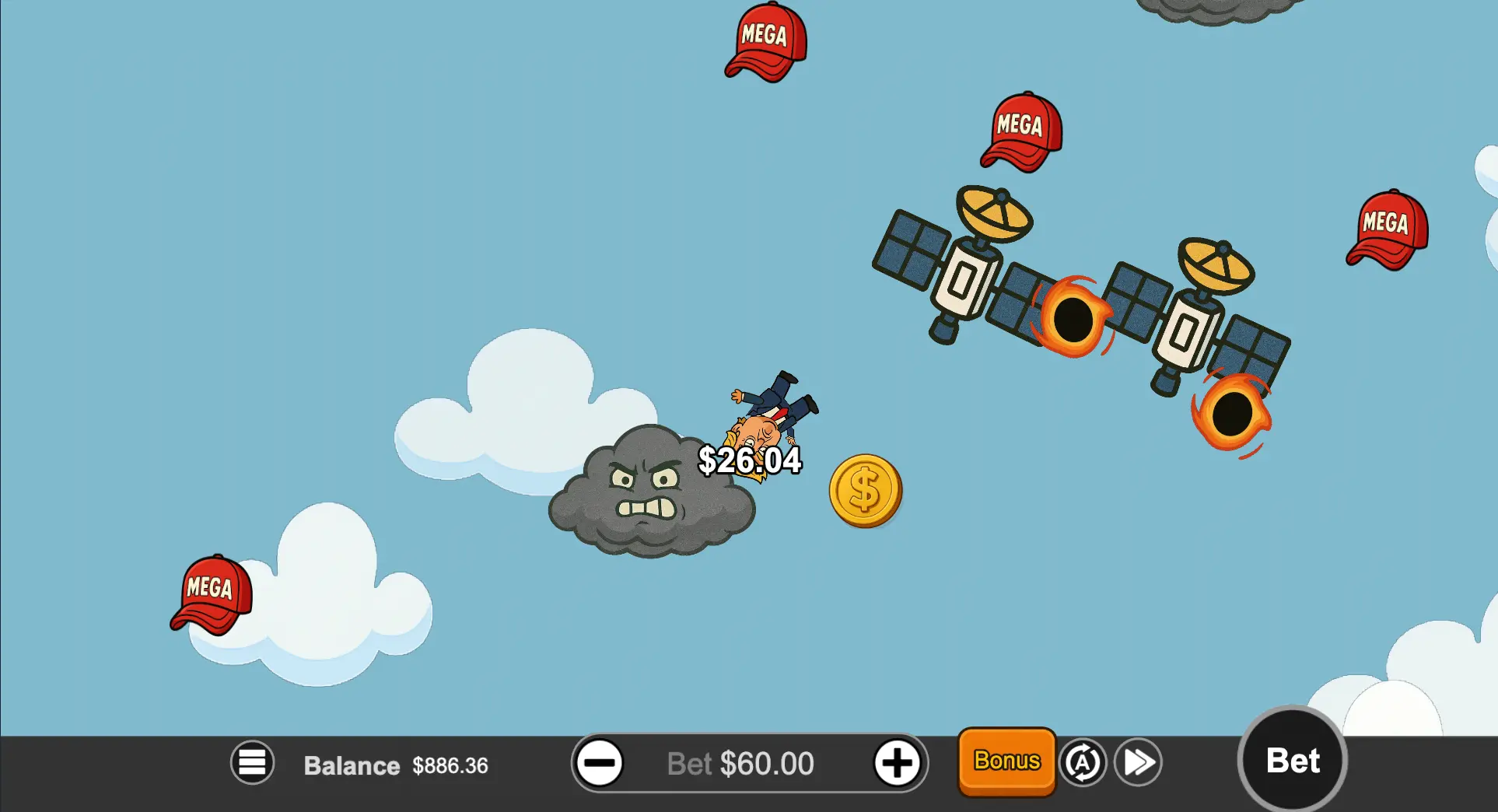
Ever lost track of time while chasing that high multiplier? You’re not alone. That’s why reality checks and session reminders are key. These pop-ups remind you how long you’ve been playing or how much you’ve wagered so far. They’re gentle nudges to keep you aware and grounded. So, next time you’re watching the Boss plummet and multipliers climb, these little reminders will help you stay in control and avoid overdoing it.
Risk Assessment of Games and Labeling
Not all games are the same, and some are high volatility, meaning wins can be huge but not frequent. Responsible gaming platforms provide risk labels or assessments to help you understand what kind of game you’re playing. Look for tags like “high-risk” or “volatile” before you bet. Knowing this helps you match your gameplay style and bankroll to the game’s risk level, keeping surprises to a minimum.
Player Responsibilities in Responsible Gaming
Gambling for Entertainment, Not a Financial Fix
First up, always remember: gambling is meant for entertainment. It’s a game designed for fun, not a way to solve money problems or cover bills. If you find yourself chasing losses or relying on wins to pay essential expenses, it’s time to pause and reassess. Playing with money you can afford to lose keeps the game enjoyable and pressure-free.
Set Personal Limits and Stick to Them
One of the smartest moves you can make is setting your limits before you start playing. Whether it’s a bankroll cap, time spent playing, or session loss limit, decide what’s comfortable for you—and stick to it. Limits help prevent overspending and burnout, keeping your gaming sessions fun without unexpected stress. Many platforms offer built-in tools to set these boundaries easily.
Recognizing Signs of Problematic Gambling
It’s not always obvious when gaming shifts from fun to a problem. Watch out for signs like feeling restless or irritable when you try to stop, spending more time or money than intended, or hiding your gaming habits from friends and family. If these feel familiar, don’t hesitate to take a step back. Awareness is key to keeping control.
Seek Help from Professional Resources
You’re never alone if gambling starts to feel overwhelming. Reach out early to professional resources dedicated to responsible gaming. Many organizations provide confidential support, counseling, and practical advice. Whether it’s hotlines, online chats, or local support groups, these resources can guide you back to a healthier balance.
Resources and Support for Responsible Gaming
Organizations Offering Support and Education
Many organizations worldwide provide support, education, and tools specifically aimed at helping gamblers maintain healthy habits. Here are some well-known organizations that players can reach out to if they feel their gaming is out of control:
- Gamblers Anonymous (GA): A peer support group that offers meetings and programs to help people with gambling problems.
- National Council on Problem Gambling (NCPG – US): Provides confidential helplines, resources, and guidance for those needing assistance.
- Responsible Gambling Council (RGC): Focuses on research, education, and promoting safe gambling environments.
- Gambling Therapy: An international service offering support via chat, forums, and self-help tools for players and their families.
- BeGambleAware: Promotes awareness and provides advice on safe gambling practices along with links to support services.
These organizations are a great first step if you want advice, counseling, or ways to keep your gaming in check.
Access to Self-Assessment Tools Do you want to evaluate the health of your gaming habits without making any commitments?
Several platforms provide easy-to-use self-assessment questionnaires. These tools help you gauge your risk level confidentially and prompt you toward professional help if necessary.
Plus, helplines staffed by trained advisors are available 24/7 in many regions. They offer immediate emotional support, practical advice, and referrals. You don’t have to face concerns alone—expert help is just a call or click away.
Importance of Transparency and Access to Responsible Gaming Info on Platforms
Every player values clear and upfront information, which trustworthy platforms understand. The best online gaming spaces make responsible gaming information easily accessible.. This means:
- Clear explanations of deposit limits, time-outs, and self-exclusion options.
- Transparent communication about the odds, rules, and gameplay mechanics.
- Easy access to customer support focused on player welfare.
- Regular reminders and pop-ups encouraging safe play.
Conclusion
Responsible gaming is more than just a buzzword – it’s a vital practice that protects players and sustains the integrity of the game.This innovative physics-based crash game offers thrilling highs with big multipliers and bonus features, but with such excitement comes the need for awareness and control. Understanding your limits and playing mindfully keeps the experience fun and safe.
For players, responsible gaming means setting budgets, sticking to time limits, and recognizing when to take breaks. It’s about enjoying the strategic thrill of the game without letting risk spiral out of control. Remember, the unpredictable nature of the game’s physics and high volatility can lead to sudden wins as well as quick losses – so staying grounded ensures you keep the fun alive long-term.
Operators, on the other hand, carry the crucial role of creating a safe environment. This involves providing clear information about game mechanics, promoting responsible play tools like self-exclusion and deposit limits, and maintaining transparent policies. Supporting players with easy access to help resources and fostering fair gameplay adds trust and longevity to the community.
Together, players and operators share the responsibility to uphold high responsible gaming standards. By doing so, they safeguard players’ well-being while enhancing the enjoyment and sustainability of games. So whether you’re diving into the thrill of the crashing Boss or managing a gaming platform, prioritizing responsibility makes sure the excitement stays positive and rewarding.